Dripping Tap or Running Toilet? What's Normal, What to Check, and When to Call a Plumber | Sterling Gas, Hot Water & Leak Detection
Dripping Tap or Running Toilet? What’s Normal, What to Check, and When to Call a Plumber
A dripping tap or a toilet that never quite stops running are two of the most common plumbing niggles in any Sydney home. They rarely feel urgent – the house still has water, nothing’s flooding, life goes on – which is exactly why so many homeowners put up with them for months. The trouble is, both problems tend to get worse rather than better on their own, and a running toilet in particular can quietly add a surprising amount to a water bill. The good news is that a lot of the groundwork can be checked yourself before deciding whether it’s a quick fix or a job for a licensed plumber.
Why Does a Tap Keep Dripping?
Most dripping taps come down to simple wear and tear. Older tap styles rely on a rubber washer that seals against the valve seat; over years of use that washer hardens, flattens or perishes, and water starts to seep past it. Newer mixer taps generally use a ceramic disc cartridge instead of a washer, and while these last longer, they can still wear out, especially in areas with harder water where mineral deposits build up on the internal seals. A tap that drips only under certain conditions – say, when the hot tap is used but not the cold – is often pointing to that specific tap’s internal cartridge rather than anything bigger going on in the pipework.
Why Does a Toilet Keep Running?
A toilet that runs on and off, or never fully stops, almost always comes down to one of two parts inside the cistern. The flapper (or valve seal) at the bottom of the cistern may no longer be sitting flat, letting water trickle down into the bowl and triggering the fill valve to top it up again. Or the fill valve itself may be set too high, letting water constantly dribble into the overflow tube. Neither issue is usually dramatic, but a toilet that’s been quietly running for weeks can waste a genuinely large amount of water, which is worth fixing sooner rather than later.

What You Can Safely Check Yourself
Before booking a repair, a few simple checks can tell you a lot about what’s actually going on:
- For a dripping tap, check whether it stops when firmly turned all the way off – if the handle feels loose or spins without resistance, it may just need tightening rather than a full repair.
- Look at the tap spout and aerator for white, chalky build-up, which can cause drips and reduced flow in areas with harder water.
- For a toilet, lift the cistern lid after flushing and watch what happens once it refills. If you can see water trickling into the overflow tube or the flapper isn’t sitting flat, you’ve found the likely cause.
- Try the classic food-dye test: add a few drops of food colouring to the cistern water, wait about 15 minutes without flushing, and check if colour appears in the bowl. If it does, water is leaking past the flapper seal.
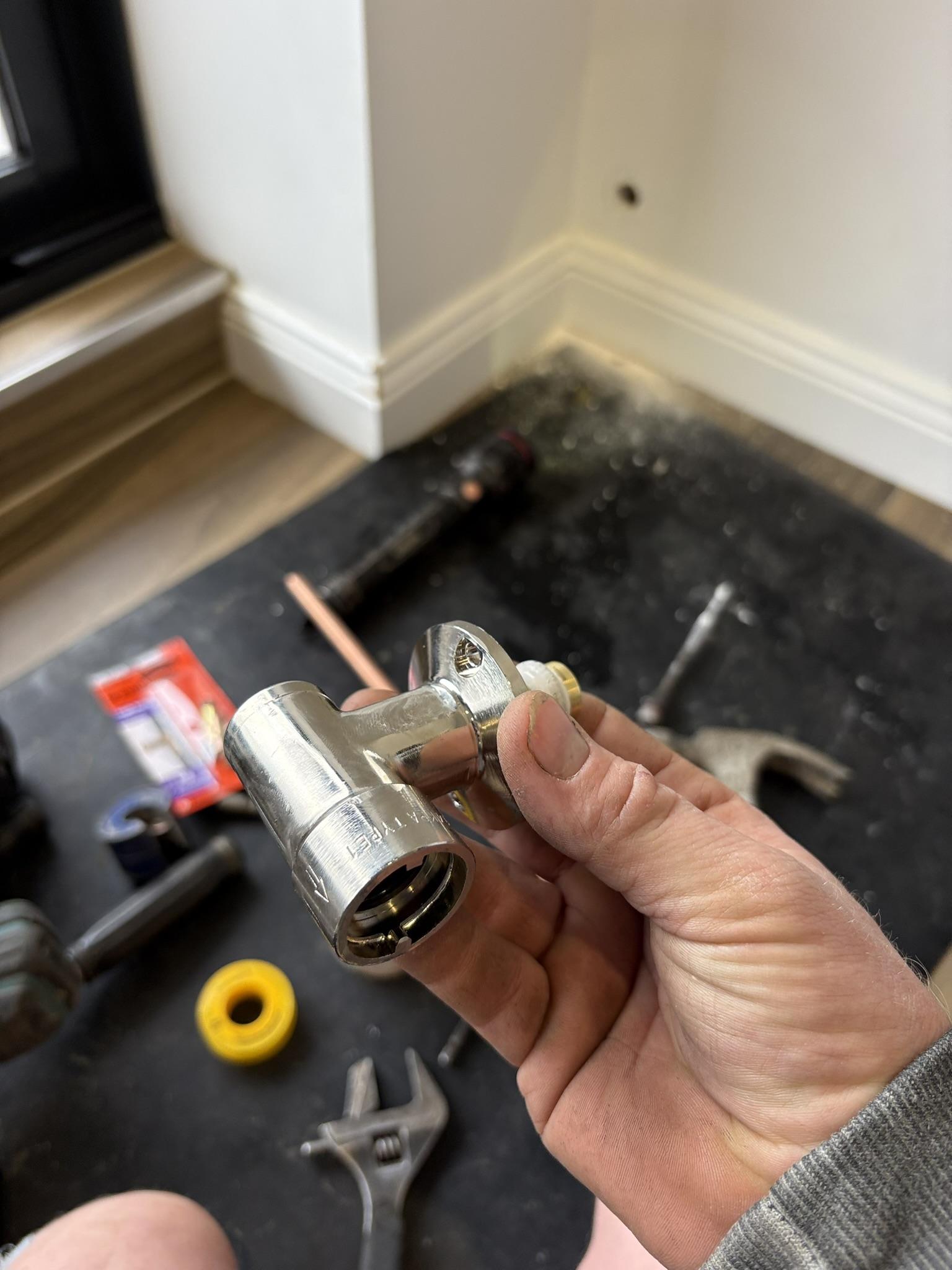
- Check that the small isolation valve under the sink or behind the toilet turns freely – a seized or painted-over valve is worth knowing about before any repair is attempted.
Replacing a worn washer, cartridge or flapper is often a manageable DIY job if you’re comfortable isolating the water supply first. It’s worth avoiding excessive force on old tap spindles or cistern fittings, though – brittle, ageing components can crack unexpectedly, turning a small fix into a bigger one.
When It’s Time to Call a Licensed Plumber
Some situations are better left to a professional, particularly where there’s a risk of water damage or the fix isn’t as simple as swapping a part:
- The tap still drips after a washer or cartridge replacement – this can mean the valve seat itself is damaged and needs resurfacing or the tap needs replacing.
- Several taps around the house are dripping at once, which can point to a water pressure issue rather than individual worn parts.
- The cistern has a visible crack or the toilet rocks on its base, both of which risk water damage if left alone.
- The same tap or toilet keeps having the same problem again soon after a repair, suggesting ageing pipework or fittings that need a proper assessment.
- You’re not confident isolating the water supply safely, or the fitting is old enough that you’re worried about causing more damage than you fix.
A licensed plumber can quickly tell the difference between a five-minute part swap and a sign of something older and more worn-out in the wall or floor, and has the right parts on hand for Sydney’s mix of older and newer tapware and cisterns.
Get It Fixed Properly
A dripping tap or a running toilet might seem minor, but left alone they waste water, add to your bill, and can be a sign of ageing fittings that are only going to get harder to ignore. If you’ve checked the basics and the problem is still there, the team at Sterling Gasfitting & Plumbing can diagnose and repair taps, toilets and cisterns across Sydney quickly and properly. Get in touch with Sterling Gasfitting & Plumbing today to book a repair.